Phone Safety During Monsoon: Essential Protection Tips for India
How to Maximize Phone Safety During Monsoon Rains
In India, the arrival of monsoon rains transforms bustling cities like Mumbai into scenes of waterlogged streets and overflowing drains. Commuters huddle under umbrellas in auto-rickshaws while sudden downpours catch everyone off guard. Yet this seasonal beauty poses a serious risk to smartphones. Phone safety during monsoon becomes critical as water damage claims spike. Humidity seeps into ports, rain soaks pockets, and accidental drops in puddles lead to costly repairs or total failure.
Effective protection combines the right gear, smart habits, and reliable accessories. Premium cases designed for Indian conditions offer robust defense without sacrificing style or functionality. This guide delivers practical strategies to safeguard your device through June to September.
Why Monsoon Is the #1 Threat to Your Phone in India
Monsoon rains threaten phones through both direct water exposure and pervasive humidity. Direct exposure occurs during heavy showers or splashes in flooded areas, allowing liquid to penetrate ports, speakers, or damaged seals. Humidity acts more insidiously as moisture in the air condenses inside devices during temperature shifts common in Mumbai or Delhi monsoons, leading to corrosion on circuits and batteries.
Service centers across India report elevated water damage incidents from June to September. Repair trends show monsoon-related claims form a significant portion of liquid damage cases, with many users facing expenses from a few thousand to over Rs 20,000 for advanced models.
IP ratings provide baseline guidance but have clear limitations. An IP67-rated phone withstands temporary immersion in up to 1 meter of fresh water for about 30 minutes under lab conditions. IP68 extends this protection. These ratings test in controlled freshwater, not real-world monsoon scenarios involving mud, pressure from rain, or repeated exposure that degrades seals over time.
People Also Ask: Do IP ratings expire?
Yes. Drops, wear, and age weaken adhesives and gaskets. A phone that survives one splash may fail in prolonged humidity. Relying solely on built-in ratings leaves gaps that a dedicated waterproof phone case India addresses effectively.
5 Ways to Protect Your Phone During Monsoon Rains
-
1. Use a waterproof or water-resistant phone case.
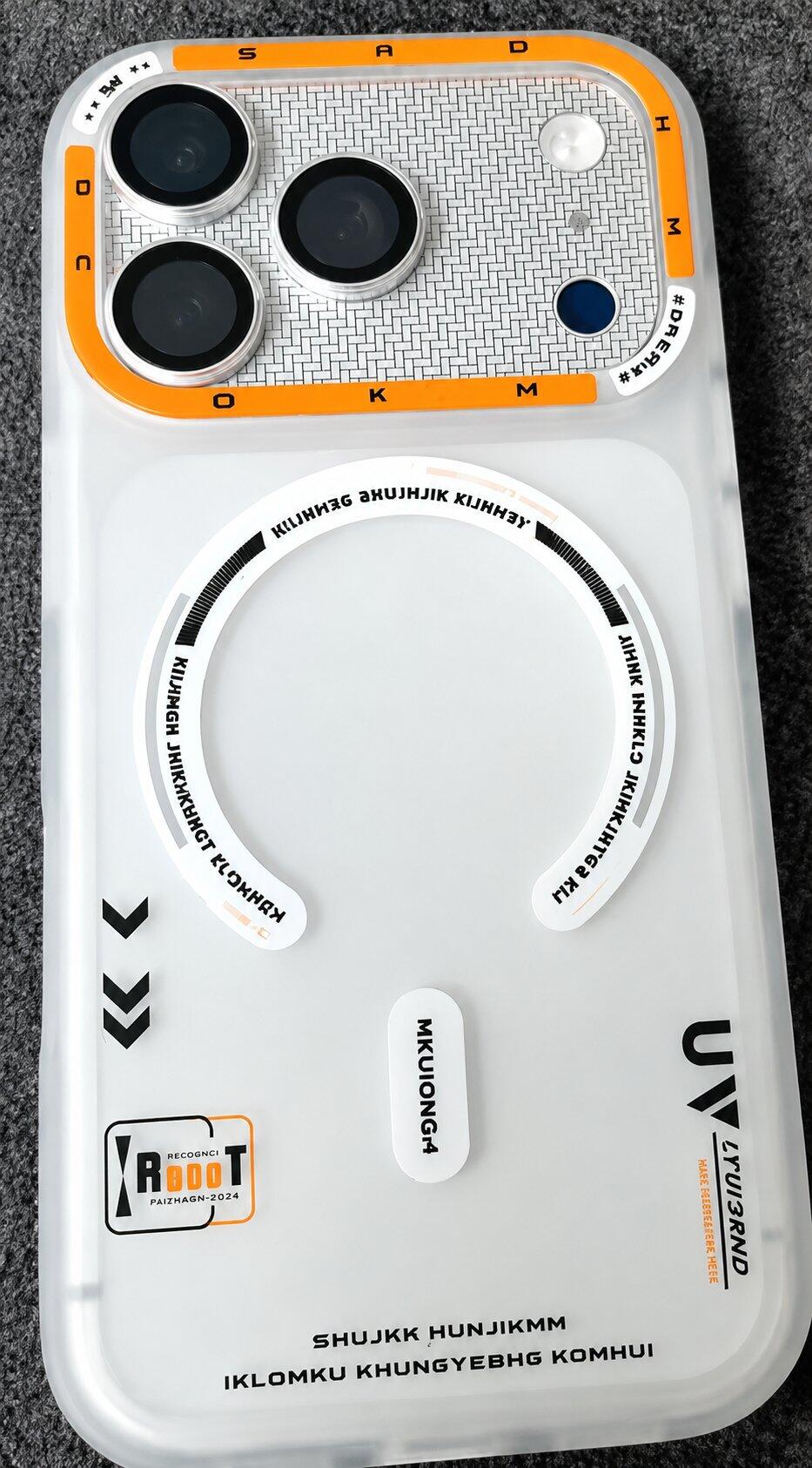
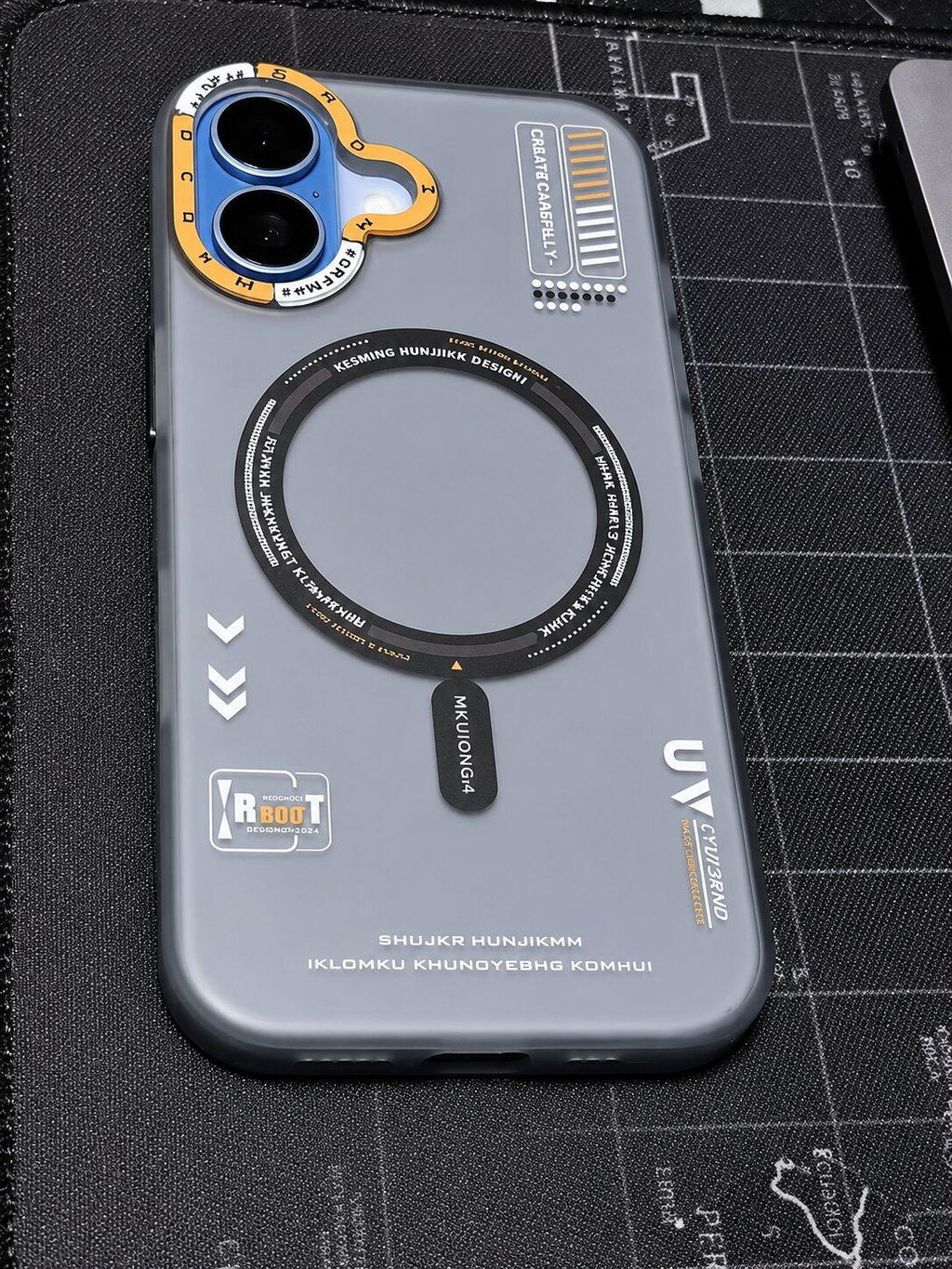
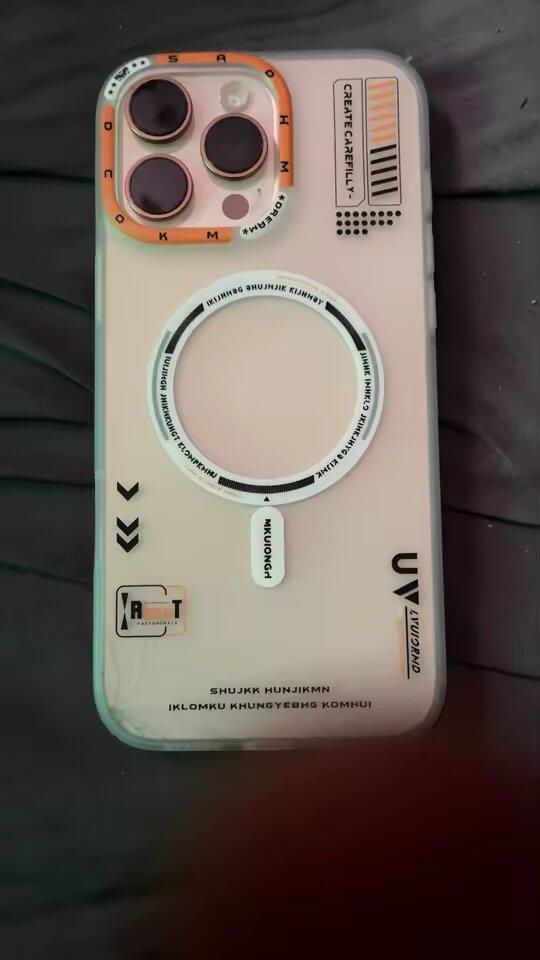
A quality case forms the primary barrier. Look for models with sealed ports, raised edges, and tested materials. Belvin's luxury waterproof transparent iPhone case delivers submersion protection while preserving the phone's aesthetics. It suits daily commutes where unexpected rains are common. -
2. Avoid exposed pockets. Use sealed pouches or bags.
Back pockets or open bags expose devices to splashes. Opt for waterproof dry bags during travel in crowded local trains or waterlogged lanes. -
3. Enable moisture detection alerts.
On iOS, liquid detection warnings appear in the charging port. On Android, check settings or use monitoring apps. Address alerts immediately by powering off and drying the device. -
4. Dry ports before charging.
Moisture in charging ports causes oxidation and short circuits. After exposure, wipe ports gently with a dry microfiber cloth and wait before charging. -
5. Use MagSafe or wireless charging.
Wireless options eliminate port risks. Belvin's TitanShield MagSafe armor case supports strong magnetic alignment while adding rugged protection.
How to Choose the Right Phone Case for Monsoon Season
Material construction determines performance in wet conditions. TPU offers flexibility and shock absorption with good water resistance. Polycarbonate provides rigid structure. Hybrid designs combine both for balanced defense.
Military-grade drop protection means the case survives repeated drops from 1-2 meters. In monsoon, this helps survive slips on wet floors while maintaining seals against water. Belvin's military-grade shockproof case for Google Pixel and hybrid hard armor case for iPhone deliver this reliability with precise fit and raised bezels.
Grip is equally vital. Rain makes surfaces slippery. Textured backs reduce drops. Belvin's rugged camo grip case uses premium materials for secure hold without bulk.
People Also Ask: What about screen protectors?
Pair cases with tempered glass protectors having oleophobic coatings to resist water beading. Full-coverage options provide maximum sealing.
Monsoon Phone Safety Checklist - Quick Reference
| Action | Why It Matters |
|---|---|
| Invest in waterproof or rugged case | Creates primary seal against rain and splashes |
| Use port covers or sealed cases | Blocks dust and water entry into ports |
| Store in waterproof bag or pouch | Adds secondary protection during heavy rains |
| Avoid charging with wet ports | Prevents corrosion and electrical shorts |
| Apply quality screen protector | Protects display and helps repel water |
| Enable device moisture alerts | Provides early warning for condensation |
| Get phone insurance | Covers repair costs when prevention fails |
| Regular backup of data | Ensures files remain safe if hardware fails |
| Clean and dry after exposure | Removes residue that causes corrosion |
FAQ - Phone Safety in Monsoon Rains
1. Can I use my phone in the rain if it has an IP68 rating?
IP68 offers good resistance under test conditions, but prolonged rain or compromised seals reduce reliability. Use a dedicated case for extended exposure and avoid heavy downpours.
2. What type of phone case is best for monsoon season in India?
Hybrid or military-grade cases with TPU and polycarbonate layers perform best. Prioritize sealed ports, raised lips, and strong grip for humid and rainy conditions.
3. Does a waterproof case affect wireless charging or MagSafe?
Premium cases maintain compatibility. Quality MagSafe-integrated models preserve strong magnetic attachment and charging speeds. Always check specifications for your device.
4. How do I dry my phone if it gets wet during monsoon?
Power off immediately, remove case and SIM, wipe exterior, and place in a dry spot with silica gel. Avoid rice, heat, or charging for 24-48 hours.
5. Is humidity alone enough to damage a phone?
Yes. High humidity causes internal condensation and corrosion over time. Coastal regions in India see this frequently even without direct water contact.
6. Which Belvin cases are best for monsoon protection?
Belvin offers the luxury waterproof transparent iPhone case for full sealing, TitanShield MagSafe armor case for wireless use, military-grade shockproof cases, and rugged camo grip cases for wet conditions.
Conclusion
Maximizing phone safety during monsoon requires three core actions: selecting a high-quality protective case, adopting habits like sealed storage and dry charging, and maintaining backups with alerts. These steps minimize risks from sudden rains and persistent humidity across India.
Explore Belvin's collection of thoughtfully designed cases that combine premium aesthetics with practical monsoon-ready engineering. Reliable protection preserves your device's performance through the season.