Silicone vs TPU vs Polycarbonate Phone Cases: Which One Is Right for You?
Introduction: Why Your Phone Case Material Matters More Than You Think
You have just unboxed a brand new smartphone, perhaps a Samsung Galaxy S25 or an iPhone 16, and the first thing you reach for is a case. With hundreds of options flooding the market, one question stands out: what is this case actually made of, and does it really matter?
The short answer is yes, it matters a great deal. From my experience testing dozens of cases over the years, the material of your phone case determines how well it protects your device, how it feels in your hand, how long it lasts, and even how it looks after six months of daily use. The three most common materials you will encounter are silicone, TPU (thermoplastic polyurethane), and polycarbonate (PC). Each has its own distinct personality, and choosing the wrong one for your lifestyle can lead to a cracked screen or a case that looks worn out within weeks.
This guide breaks down all three materials in depth, covering durability, grip, protection, aesthetics, cost, and more. Whether you are an everyday commuter, a fitness enthusiast, or someone who simply wants a slim, premium look, you will find the right answer here based on real world performance.

Understanding the Three Materials at a Glance
Before diving deeper, here is a quick orientation based on extensive hands-on testing:
- Silicone is a soft, rubber like synthetic polymer known for its flexibility and excellent grip.
- TPU is a hybrid material, part plastic and part rubber, offering a strong balance of flexibility and rigidity.
- Polycarbonate (PC) is a hard, rigid thermoplastic prized for its slim profile and structural strength.
Each material sits at a different point on the spectrum between soft and grippy versus hard and slim. Understanding where your priorities lie is the first step to making the right choice.
Silicone Phone Cases: The Comfort First Choice
What Makes Silicone Unique
Silicone cases are made from a synthetic rubber compound that gives them their signature soft, matte texture. They feel almost velvety in your hand and rarely slip off a table or out of your palm.
Durability and Protection
Silicone excels at absorbing shock thanks to its natural flexibility. When your phone drops, the material compresses slightly on impact and disperses the energy instead of transferring it straight to your device. However, silicone is not the most resistant to cuts, tears, or long term abrasion. The soft surface also tends to attract lint, dust, and pet hair, which is a common observation from many users I have spoken with.
For everyday drop protection from waist or desk height, silicone performs very well. Browse our Silicone Cases for iPhone, Silicone Cases for Samsung, and Silicone Cases for Google Pixel to find the perfect fit for your device.
Grip and Feel
This is where silicone truly stands out. The natural friction means your phone stays secure on most surfaces and feels confident even when your palms are slightly damp. For users who frequently operate their phones one handed, this is a major advantage. If grip is your top priority, also check our dedicated Grip Cases for iPhone.
Aesthetics and Longevity
Silicone cases tend to yellow or discolor over time, especially lighter shades, due to UV exposure and oxidation. The soft surface can also pick up stains more easily. Premium silicone cases made with liquid silicone rubber (LSR) resist discoloration better. If anti yellowing is important to you, consider our Best Transparent Phone Cases – Anti Yellow, Slim & Shockproof guide.
Best For
- Everyday casual users who prioritize grip and comfort
- Users who tend to drop their phones on hard floors
- People who prefer a soft, premium tactile feel
TPU Phone Cases: The All Rounder
What Makes TPU Unique
TPU, or thermoplastic polyurethane, is often described as the best of both worlds material, and after testing hundreds of cases, I agree. It combines the flexibility of rubber with the structural integrity of hard plastic. Most mid range and budget cases on the market today are made from TPU, often labeled simply as flexible or soft cases.
Durability and Protection
TPU provides superior impact resistance compared to silicone, especially for corner drops, which are the most common real world scenario. Its elasticity lets it flex on impact without cracking, while the firmer structure gives better overall support than pure silicone. For maximum drop protection, explore our Shockproof iPhone Cases and Shockproof Cases for Samsung.
Transparency and Aesthetics
One of TPU’s biggest strengths is its ability to remain crystal clear, letting your phone’s original color and design shine through. Clear TPU cases remain extremely popular for this reason. Browse our Clear Cases for Samsung and Matte Clear Cases for Samsung for premium options. For anti yellowing clear cases specifically, check our Anti Yellow Clear Cases for Samsung.
Heat Resistance
TPU handles moderate heat well but can deform under sustained high temperatures. Avoid leaving TPU cased phones in direct sunlight inside a hot car for long periods, especially relevant during Indian summers where temperatures often exceed 45°C. For more guidance on heat management, read our article on Heat Dissipation Phone Cases.
Best For
- Users who want balanced protection without bulk
- Those who prefer clear cases to show off their phone’s design
- Budget conscious buyers who do not want to compromise on protection
- Sports and active users who need flexibility combined with structure
Polycarbonate Phone Cases: The Slim Protector
What Makes Polycarbonate Unique
Polycarbonate is a high performance engineering thermoplastic, the same material used in bulletproof glass and aircraft canopies. In phone cases, it creates thin, rigid shells that add minimal bulk while delivering solid structural protection.
Durability and Protection
PC cases excel at distributing impact force across their rigid surface, reducing concentrated stress on any single point. For rugged, armor grade protection featuring a polycarbonate shell, explore our Rugged Armor Cases for Samsung.
Slim Profile and Aesthetics
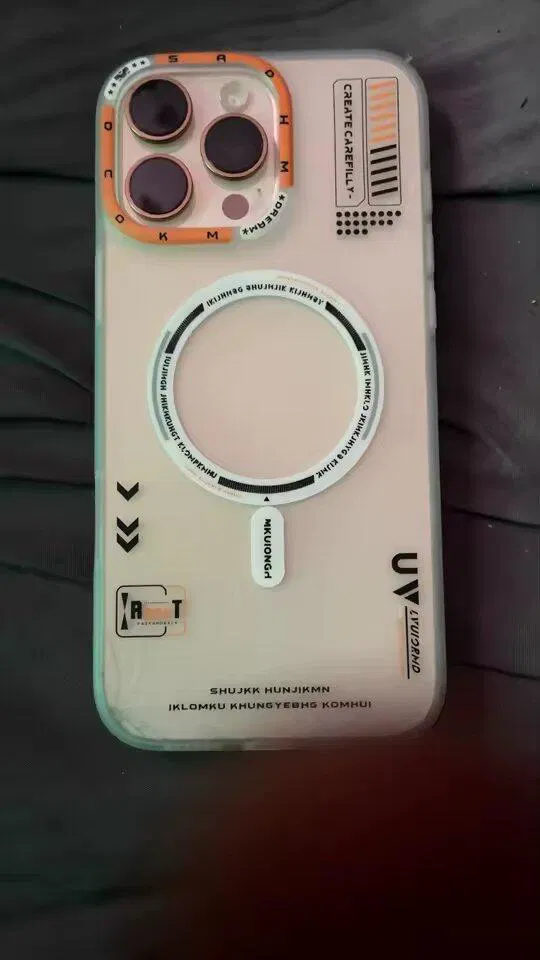
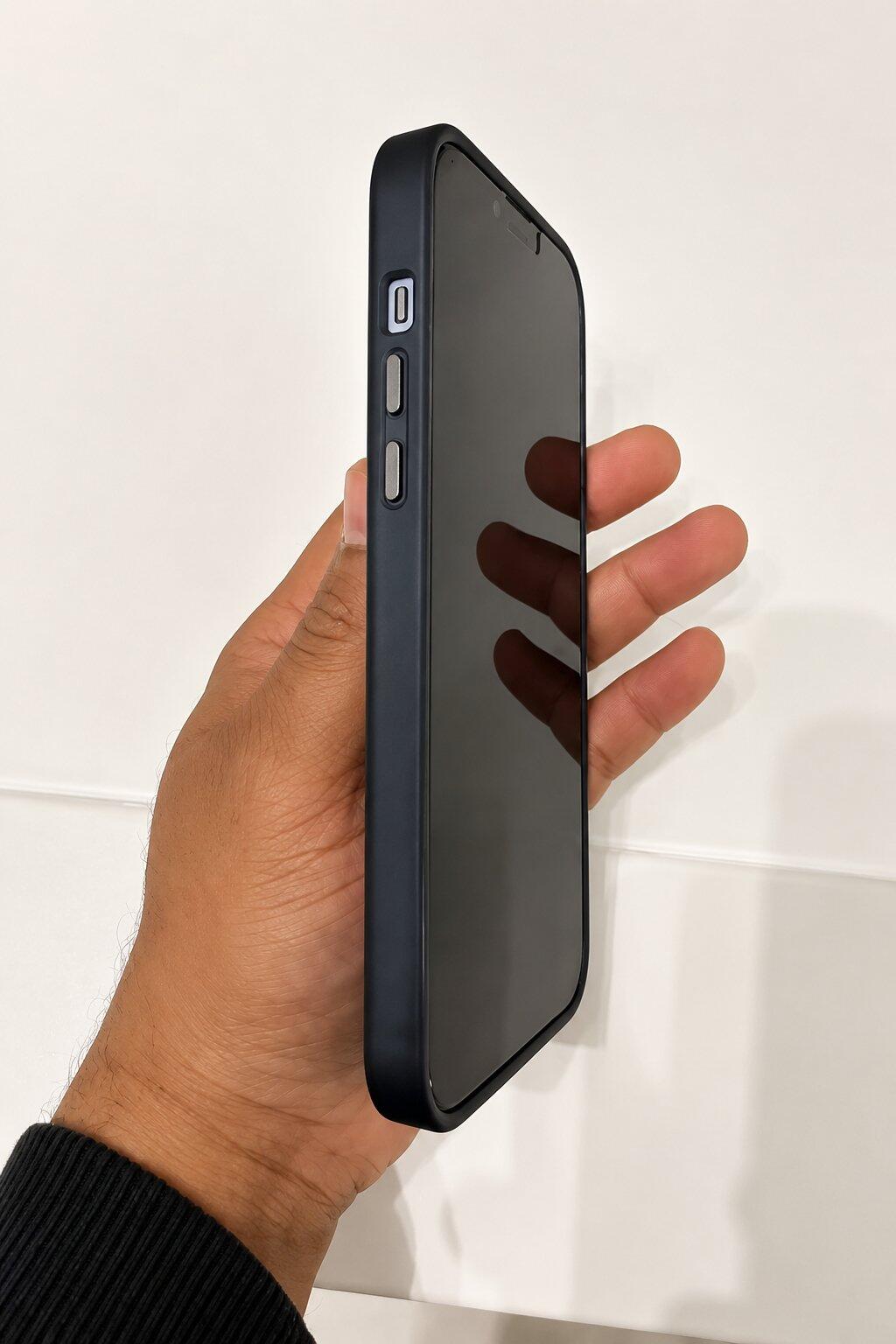
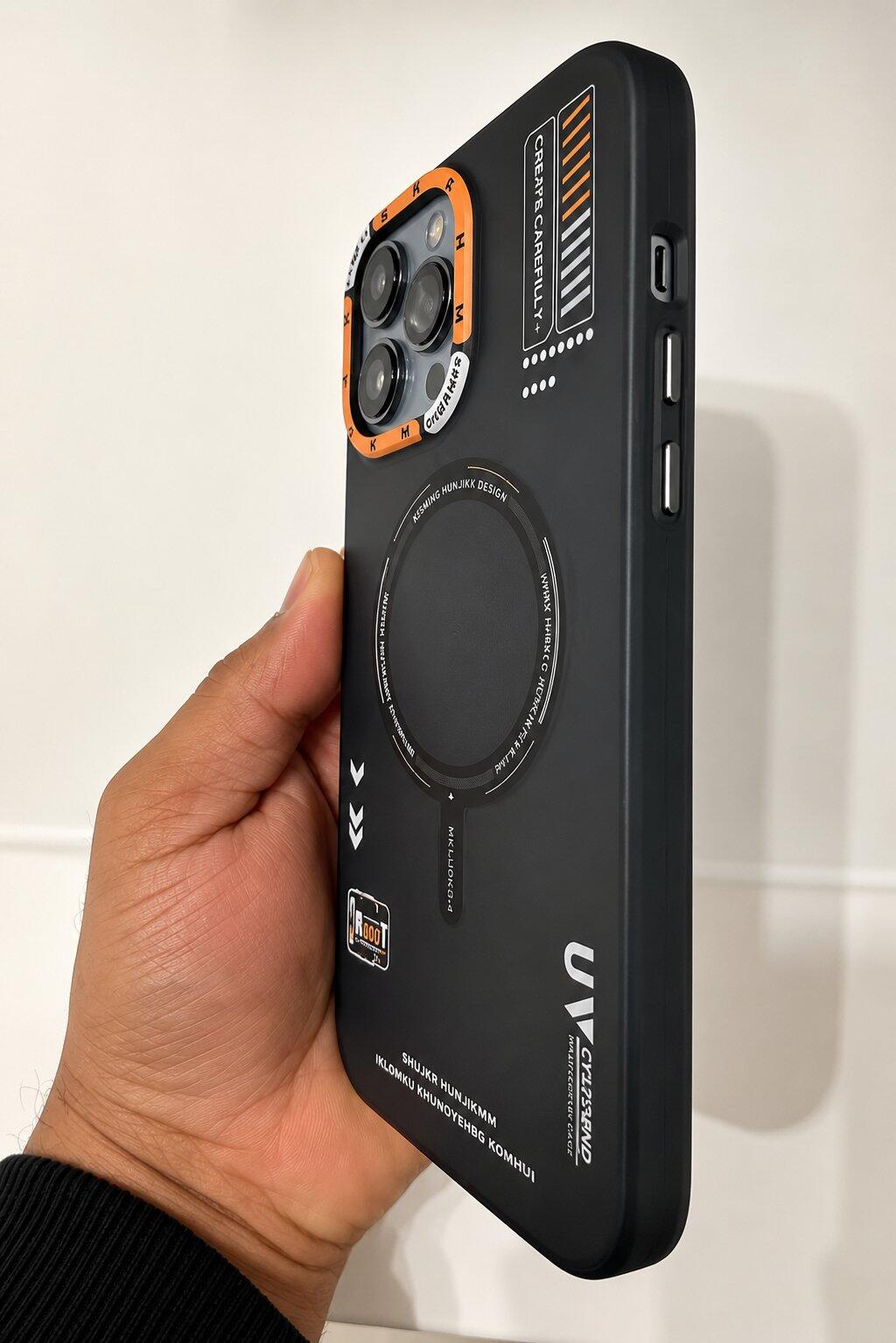
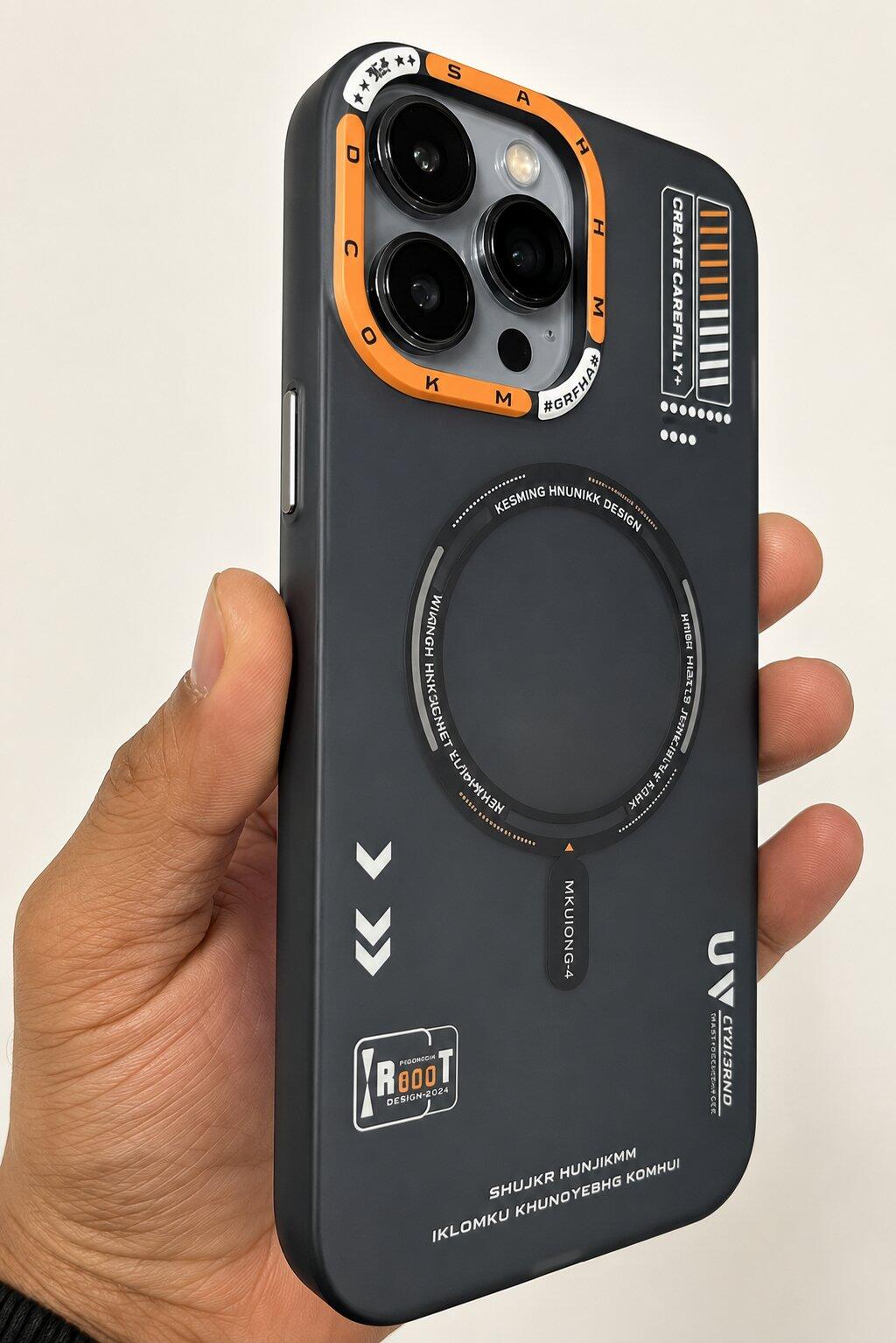
If you have invested in a premium slim smartphone and want to avoid extra bulk, polycarbonate is the ideal material. PC cases can be manufactured at just 0.3 to 0.5mm thickness while still offering meaningful protection. Polycarbonate also accepts color, texture, and finishes exceptionally well. Explore our Luxury Cases for iPhone, Designer Aesthetic iPhone Cases, and Designer Aesthetic Cases for Samsung for premium PC based options.
Camera Protection
Polycarbonate’s rigidity makes it perfect for raised camera bezels that safeguard your lenses. See our Camera Protection Cases for Samsung for options designed with this in mind.
Best For
- Users who prioritize slim profiles and aesthetics
- Those with premium flagship phones who want minimal bulk
- Users in office or professional environments
- People who frequently slide their phone in and out of pockets
Head to Head Comparison Table
| Feature | Silicone | TPU | Polycarbonate |
|---|---|---|---|
| Drop Protection | ★★★★☆ | ★★★★★ | ★★★☆☆ |
| Grip | ★★★★★ | ★★★★☆ | ★★☆☆☆ |
| Slim Profile | ★★☆☆☆ | ★★★☆☆ | ★★★★★ |
| Scratch Resistance | ★★☆☆☆ | ★★★☆☆ | ★★★★★ |
| Flexibility | ★★★★★ | ★★★★☆ | ★☆☆☆☆ |
| Heat Resistance | ★★★★★ | ★★★☆☆ | ★★★★☆ |
| Yellowing Resistance | ★★☆☆☆ | ★★★☆☆ | ★★★★☆ |
| Aesthetics/Finish Options | ★★★☆☆ | ★★★★☆ | ★★★★★ |
| Cost (Value) | ★★★☆☆ | ★★★★★ | ★★★☆☆ |
| Eco Friendliness | ★★★☆☆ | ★★★☆☆ | ★★★★☆ |
Buying Guide: Which Material Is Right for Your Lifestyle?
Everyday Use (Commuters, Students, Office Workers)
Recommended: TPU
TPU’s balance of protection, grip, and reasonably slim profile makes it the ideal daily driver case. It handles the unpredictable drops of daily life without adding too much bulk. For budget friendly options, read our guide on Best Phone Cases Under ₹1000 in India (2026).
Active and Outdoor Use (Sports, Travel)
Recommended: TPU or Hybrid TPU+PC
For high impact situations, a hybrid case with a TPU inner layer and PC outer shell offers the best protection. Explore our Shockproof iPhone Cases and Rugged Armor Cases for Samsung for options built for demanding use.
Slim and Premium Aesthetic (Professionals, Minimalists)
Recommended: Polycarbonate
If you have spent ₹80,000 to ₹1,50,000 on a flagship phone, you probably do not want to hide it in a chunky case. Browse our Luxury Cases for iPhone and Designer Aesthetic Cases for Samsung for slim, premium options. For a deeper look at this decision, read our article Slim or Rugged Case? Choose the Right Phone Case.
Style First Shoppers
Recommended: Polycarbonate or Printed TPU
Polycarbonate’s finish versatility makes it the go to for designer and aesthetic cases. Explore our Printed Cases for iPhone, Cute Cases for iPhone, Floral Cases for iPhone, and Aesthetic Phone Cases – Where Style Meets Everyday Protection.
Budget Conscious Buyers
Recommended: TPU
TPU cases offer the best protection per rupee ratio. You can find quality TPU cases in the ₹299 to ₹799 range that outperform silicone cases costing twice as much. See our full roundup of Best Cell Phone Accessories in India for curated picks.
Pros and Cons Summary
Silicone
- ✅ Best grip, excellent shock absorption, heat resistant, soft feel
- ❌ Attracts lint, yellows over time, adds bulk, not ideal for high impact drops
TPU
- ✅ Best all round protection, flexible, clear options available, self healing, cost effective
- ❌ Can yellow (cheaper variants), moderate grip, not as slim as PC
Polycarbonate
- ✅ Slimmest profile, best scratch resistance, premium aesthetics, does not yellow easily
- ❌ Slippery, can crack on hard drops, less shock absorption, rigid
FAQ: Your Top Questions Answered
Q1: Which phone case material offers the best drop protection?
TPU offers the best overall drop protection for most real world scenarios due to its combination of flexibility and structural rigidity. For extreme protection, a hybrid TPU+PC case is the gold standard. See our Shockproof iPhone Cases and Shockproof Cases for Samsung.
Q2: Do silicone cases make phones overheat?
Silicone has good heat resistance and does not trap heat as aggressively as some materials, but any case can contribute to minor heat retention during intensive tasks. Read our detailed guide on Heat Dissipation Phone Cases for more information.
Q3: Why do clear phone cases turn yellow?
Yellowing in clear cases is caused by UV exposure and oxidation of the polymer material. TPU and silicone are both susceptible. Our Best Transparent Phone Cases – Anti Yellow, Slim & Shockproof guide covers the best options to avoid this issue.
Q4: Are polycarbonate cases safe? Do they contain BPA?
Most modern phone case manufacturers use BPA free PC compounds. Check product specifications or choose brands that explicitly state BPA free materials. Browse our Belvin Premium Phone Cases collection for verified quality options.
Q5: Can I use a TPU case with wireless charging?
Yes. TPU, silicone, and polycarbonate are all compatible with Qi wireless charging. Thickness matters more than the material. Cases under 3mm generally work without issue. Check out our MagSafe Cases for Samsung for wireless charging optimized options.
Conclusion: Make the Material Work for You
There is no universally best phone case material, only the best material for your specific needs. If grip and shock absorption are your priorities, silicone delivers. If you want balanced, reliable protection at great value, TPU is your answer. And if you are after a slim, premium look that does not compromise on scratch resistance, polycarbonate is the way to go.
The smartest choice for many people is a hybrid case that combines TPU and PC. You get the flexibility and shock absorption of TPU with the slim rigidity and scratch resistance of polycarbonate. Many of Belvin’s premium cases are engineered exactly this way.
Explore our full range: Best Phone Cases for iPhone | Leather Phone Cases | Best Phone Pouches & Leather Cases in India
Your phone is an investment. Protect it with intention.